Latest Solar Panel Technology in 2026

- Introduction
- Why Solar Technology Matters in 2026
- Key Benefits of Advanced Solar Technology
- Overview of Solar Panel Types
- 1. Monocrystalline Panels
- 2. Polycrystalline Panels
- 3. Thin-Film Panels
- Latest Solar Panel Technology in 2026
- 1. Bifacial Solar Panels
- How They Work
- Benefits
- Best For
- 2. Perovskite Solar Cells
- Key Features
- Current Status
- 3. TOPCon Solar Technology
- Advantages
- Efficiency Range
- 4. HJT (Heterojunction) Solar Panels
- Benefits
- Why It Matters
- 5. Smart Solar Systems (AI Integration)
- Features
- Benefits
- 6. Solar + Battery Storage Systems
- Benefits
- Popular Battery Types
- Cost Breakdown of New Solar Technology
- Average Costs in 2026
- What Affects Cost
- High CPC Section: Best Solar Panel Technologies for ROI
- Top Picks for 2026
- ROI Tips
- How to Choose the Right Solar Technology
- 1. Assess Your Energy Needs
- 2. Consider Roof Space
- 3. Set Your Budget
- 4. Evaluate Climate Conditions
- 5. Work With a Professional Installer
- Future Trends in Solar Technology
- Expected Innovations
- Common Mistakes to Avoid
- FAQ: Latest Solar Panel Technology in 2026
- What is the most efficient solar panel in 2026?
- Are bifacial panels worth it?
- Is perovskite technology available now?
- Should I invest in battery storage?
- Which solar panel is best for home use?
- Do new technologies cost more?
- How long do modern solar panels last?
- Conclusion
Introduction
Solar technology is evolving faster than ever. If you're planning to invest in solar energy, understanding the latest solar panel technology in 2026 can help you make a smarter, more profitable decision.
Today’s solar panels are more efficient, durable, and cost-effective than older models. New innovations like bifacial panels, perovskite cells, and smart energy systems are changing how homeowners generate and use electricity.
But with so many options available, choosing the right technology can be confusing. Some systems promise higher efficiency but come at a premium price. Others offer better long-term savings but require careful planning.
In this guide, we’ll break down the newest solar technologies, compare their performance, and help you decide which option delivers the best return on investment (ROI).
Why Solar Technology Matters in 2026
The efficiency and performance of your solar system directly affect your savings.
Key Benefits of Advanced Solar Technology
- Higher energy output per panel
- Better performance in low-light conditions
- Longer lifespan and durability
- Improved ROI over time
With electricity costs rising across the USA, UK, Australia, and Canada, using advanced solar technology can significantly increase your savings.
Overview of Solar Panel Types
Before diving into the latest innovations, it’s important to understand the basic panel types.
1. Monocrystalline Panels
- High efficiency (18%–22%+)
- Sleek design
- Best for residential use
2. Polycrystalline Panels
- Lower cost
- Slightly lower efficiency
- Less common in 2026
3. Thin-Film Panels
- Lightweight and flexible
- Lower efficiency
- Used in specific applications
Latest Solar Panel Technology in 2026
Now let’s explore the most advanced solar technologies available today.
1. Bifacial Solar Panels
Bifacial panels generate electricity from both sides.
How They Work
- Capture sunlight from the front and reflected light from the back
Benefits
- Up to 10–20% more energy output
- Better performance in reflective environments
- Higher long-term savings
Best For
Homes with reflective surfaces like white roofs or ground-mounted systems.
2. Perovskite Solar Cells
Perovskite is one of the most exciting breakthroughs in solar technology.
Key Features
- Extremely high efficiency potential (25%+)
- Lower production cost
- Lightweight design
Current Status
Still emerging but expected to become mainstream soon.
3. TOPCon Solar Technology
TOPCon (Tunnel Oxide Passivated Contact) is a major upgrade over traditional panels.
Advantages
- Higher efficiency than standard panels
- Better durability
- Improved performance in low light
Efficiency Range
- Around 22%–24%
4. HJT (Heterojunction) Solar Panels
HJT combines crystalline silicon with thin-film technology.
Benefits
- Very high efficiency
- Low degradation rate
- Excellent performance in hot climates
Why It Matters
HJT panels are ideal for maximizing long-term savings.
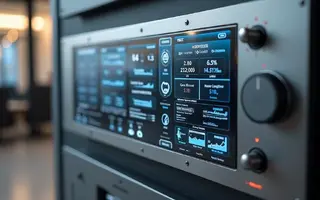
5. Smart Solar Systems (AI Integration)
Modern solar systems now include smart technology.
Features
- Real-time monitoring apps
- AI-based energy optimization
- Smart home integration
Benefits
- Improved energy efficiency
- Better control over usage
- Increased savings
6. Solar + Battery Storage Systems
Battery technology has improved significantly.
Benefits
- Store excess energy
- Use power at night
- Reduce grid dependence
Popular Battery Types
- Lithium-ion batteries
- High-capacity home storage systems
Cost Breakdown of New Solar Technology
Average Costs in 2026
- Standard panels: $2.50 – $3.50 per watt
- Premium panels: $3.50 – $5.00 per watt
- Battery systems: $5,000 – $15,000
What Affects Cost
- Technology type
- Efficiency level
- Installation complexity
- Location
High CPC Section: Best Solar Panel Technologies for ROI
If your goal is maximum return on investment, focus on these technologies.
Top Picks for 2026
- Monocrystalline panels (best value)
- TOPCon panels (high efficiency)
- HJT panels (premium performance)
- Bifacial panels (higher output)
ROI Tips
- Choose panels with high efficiency
- Combine with incentives
- Install battery storage if needed
How to Choose the Right Solar Technology
1. Assess Your Energy Needs
Determine your daily electricity usage.
2. Consider Roof Space
Limited space requires high-efficiency panels.
3. Set Your Budget
Balance upfront cost with long-term savings.
4. Evaluate Climate Conditions
Hot climates benefit from HJT panels.
5. Work With a Professional Installer
They can recommend the best system for your home.
Future Trends in Solar Technology
Solar technology will continue to evolve.
Expected Innovations
- Higher efficiency panels (30%+)
- Cheaper production costs
- Better battery storage
- Integration with electric vehicles
Common Mistakes to Avoid
- Choosing based on price only
- Ignoring efficiency ratings
- Not considering future needs
- Skipping battery storage evaluation
FAQ: Latest Solar Panel Technology in 2026
What is the most efficient solar panel in 2026?
HJT and TOPCon panels offer some of the highest efficiencies.
Are bifacial panels worth it?
Yes, they can increase energy output by up to 20%.
Is perovskite technology available now?
It is emerging and not yet widely adopted.
Should I invest in battery storage?
Yes, if you want energy independence and higher savings.
Which solar panel is best for home use?
Monocrystalline panels are the most popular and cost-effective.
Do new technologies cost more?
Yes, but they often deliver better long-term ROI.
How long do modern solar panels last?
Most last 25–30 years or more.
Conclusion
Understanding the latest solar panel technology in 2026 is essential for making a smart investment. With innovations like bifacial panels, HJT technology, and smart systems, homeowners now have more options than ever.
Choosing the right technology can significantly increase your energy savings and long-term ROI.