Commercial Solar Panel Installation
- Introduction
- What Is Commercial Solar Panel Installation?
- Why Businesses Are Switching to Solar in 2026
- Key Benefits of Commercial Solar
- Real Financial Impact
- Types of Commercial Solar Systems
- 1. Rooftop Solar Systems
- 2. Ground-Mounted Systems
- 3. Solar Carports
- Cost Breakdown of Commercial Solar Installation (2026)
- Average Cost
- Example
- Factors Affecting Cost
- High CPC Section: ROI and Savings for Commercial Solar
- Return on Investment (ROI)
- Long-Term Savings
- Key Drivers of ROI
- Solar Incentives and Tax Benefits for Businesses
- USA
- UK
- Australia
- Canada
- Why Incentives Matter
- Commercial Solar Financing Options
- 1. Cash Purchase
- 2. Solar Loans
- 3. Power Purchase Agreement (PPA)
- 4. Solar Lease
- How to Choose the Right Commercial Solar System
- 1. Analyze Energy Usage
- 2. Determine System Size
- 3. Evaluate Installation Type
- 4. Choose High-Efficiency Panels
- 5. Work With Experienced Installers
- Installation Process for Commercial Solar
- Step-by-Step
- Timeline
- Maintenance and Performance
- Maintenance Requirements
- Performance Monitoring
- Common Mistakes to Avoid
- Expert Tips for Maximizing Commercial Solar ROI
- FAQ: Commercial Solar Panel Installation
- How much does commercial solar cost in 2026?
- Is commercial solar worth it?
- How long does installation take?
- What incentives are available?
- Can businesses install solar with no upfront cost?
- How long do commercial solar systems last?
- Does solar increase property value?
- Conclusion
Introduction
Rising electricity costs are putting pressure on businesses across the USA, UK, Australia, and Canada. That’s why more companies are investing in commercial solar panel installation to reduce expenses and improve long-term profitability.
Solar energy is no longer just for homeowners. In 2026, commercial solar systems are more efficient, scalable, and financially attractive than ever. With government incentives, tax credits, and flexible financing options, businesses can significantly lower operational costs while boosting sustainability.
But here’s the challenge: installing a commercial solar system is a major investment. Without the right strategy, businesses can overspend or miss out on key savings opportunities.
This guide will walk you through everything you need to know—from costs and ROI to system sizing, financing, and choosing the right installer.
What Is Commercial Solar Panel Installation?
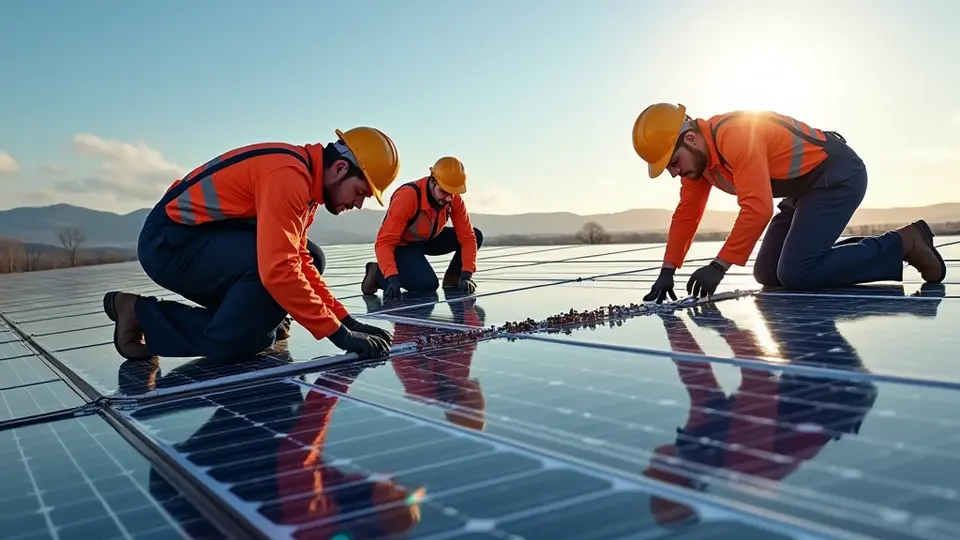
Commercial solar panel installation refers to installing solar energy systems on business properties such as:
- Office buildings
- Warehouses
- Retail stores
- Factories
- Agricultural facilities
These systems are typically larger than residential setups and are designed to handle higher energy demands.
Why Businesses Are Switching to Solar in 2026
Key Benefits of Commercial Solar
- Reduce electricity costs by 50–90%
- Protect against rising energy prices
- Improve corporate sustainability
- Increase property value
- Access tax incentives and rebates
Real Financial Impact
Businesses can save tens of thousands of dollars annually, depending on system size and energy usage.
Types of Commercial Solar Systems
1. Rooftop Solar Systems
- Installed on building roofs
- Most common option
- Utilizes unused space
2. Ground-Mounted Systems
- Installed on available land
- Higher installation cost
- Greater flexibility in design
3. Solar Carports
- Installed over parking areas
- Provides shade and energy generation
Cost Breakdown of Commercial Solar Installation (2026)
Average Cost
- $1.50 – $2.50 per watt (large systems)
- $100,000 – $1,000,000+ depending on size
Example
- 100 kW system: $150,000 – $250,000
- 500 kW system: $750,000 – $1,250,000
Factors Affecting Cost
- System size
- Installation complexity
- Equipment quality
- Location
- Labor costs
High CPC Section: ROI and Savings for Commercial Solar
Return on Investment (ROI)
- Typical ROI: 10% – 20% annually
- Payback period: 3–7 years
Long-Term Savings
- $500,000 – $2,000,000+ over system lifetime
Key Drivers of ROI
- Energy consumption
- Electricity rates
- Incentives and tax credits
- System efficiency
Solar Incentives and Tax Benefits for Businesses
USA
- Federal Investment Tax Credit (ITC) – up to 30%
- Accelerated depreciation (MACRS)
- State and local incentives
UK
- Smart Export Guarantee
- Business energy incentives
Australia
- STCs and Large-scale Generation Certificates (LGCs)
Canada
- Federal and provincial grants
- Tax incentives
Why Incentives Matter
They can reduce installation costs by 30–50%, significantly improving ROI.
Commercial Solar Financing Options
1. Cash Purchase
- Highest ROI
- No interest
2. Solar Loans
- Spread cost over time
- Maintain ownership
3. Power Purchase Agreement (PPA)
- No upfront cost
- Pay for electricity generated
4. Solar Lease
- Fixed monthly payments
- Lower upfront investment
How to Choose the Right Commercial Solar System
1. Analyze Energy Usage
- Review electricity bills
- Identify peak demand
2. Determine System Size
- Match system to energy needs
- Consider future expansion
3. Evaluate Installation Type
- Rooftop vs ground-mounted
4. Choose High-Efficiency Panels
- Improves performance and savings
5. Work With Experienced Installers
- Ensures proper design and installation
Installation Process for Commercial Solar
Step-by-Step
- Site assessment
- System design
- Permits and approvals
- Installation
- Inspection and activation
Timeline
- Typically 2–6 months depending on project size
Maintenance and Performance
Maintenance Requirements
- Panel cleaning
- System monitoring
- Periodic inspections
Performance Monitoring
- Real-time tracking
- Identify efficiency issues early
Common Mistakes to Avoid
- Oversizing or undersizing the system
- Ignoring incentives
- Choosing low-quality equipment
- Not comparing multiple installers
- Focusing only on upfront cost
Expert Tips for Maximizing Commercial Solar ROI
- Combine incentives and tax benefits
- Optimize system size
- Use high-efficiency panels
- Monitor performance regularly
- Plan for future energy needs
FAQ: Commercial Solar Panel Installation
How much does commercial solar cost in 2026?
Costs range from $1.50 to $2.50 per watt depending on system size and complexity.
Is commercial solar worth it?
Yes, it offers strong ROI and significant long-term savings.
How long does installation take?
Typically 2–6 months.
What incentives are available?
Federal tax credits, depreciation benefits, and local incentives.
Can businesses install solar with no upfront cost?
Yes, through PPAs or leases.
How long do commercial solar systems last?
25–30 years or more.
Does solar increase property value?
Yes, it can significantly increase commercial property value.
Conclusion
Commercial solar panel installation is one of the most effective ways for businesses to reduce costs and improve sustainability in 2026. With strong incentives, high ROI, and long-term savings, solar is no longer just an environmental choice—it’s a smart financial strategy.
By choosing the right system, financing option, and installer, businesses can maximize their investment and achieve significant financial benefits.