Best Solar Solutions for Small Businesses

- Introduction
- Why Small Businesses Are Switching to Solar
- Key Benefits
- Real Impact
- Types of Solar Solutions for Small Businesses
- 1. Rooftop Solar Systems
- Overview
- Advantages
- Best For
- 2. Ground-Mounted Solar Systems
- Overview
- Advantages
- Disadvantages
- Best For
- 3. Solar Carports
- Overview
- Advantages
- Best For
- 4. Solar + Battery Storage Systems
- Overview
- Benefits
- Best For
- Cost Breakdown for Small Business Solar (2026)
- Average Cost
- Example
- Factors Affecting Cost
- High CPC Section: ROI and Savings for Small Businesses
- Return on Investment
- Payback Period
- Lifetime Savings
- Key Drivers of Savings
- Solar Incentives for Small Businesses
- USA
- UK
- Australia
- Canada
- Why Incentives Matter
- Solar Financing Options for Small Businesses
- 1. Cash Purchase
- 2. Solar Loans
- 3. Power Purchase Agreement (PPA)
- 4. Solar Lease
- How to Choose the Best Solar Solution
- 1. Analyze Your Energy Usage
- 2. Choose the Right System Size
- 3. Evaluate Your Property
- 4. Select High-Efficiency Panels
- 5. Work With Experienced Installers
- Installation Process for Small Business Solar
- Steps
- Timeline
- Common Mistakes to Avoid
- Expert Tips to Maximize Solar Savings
- Real Example: Small Business Solar Savings
- Scenario
- Results
- FAQ: Best Solar Solutions for Small Businesses
- Is solar worth it for small businesses?
- How much does a small business solar system cost?
- What is the best system size?
- Can I install solar with no upfront cost?
- How long do solar systems last?
- Do solar panels require maintenance?
- Are there incentives for small businesses?
- Conclusion
Introduction
Energy costs can make or break a small business. Whether you run a retail store, café, warehouse, or office, rising electricity bills directly impact your profit margins. That’s why more entrepreneurs are searching for the best solar solutions for small businesses in 2026.
Solar energy is no longer just for large corporations. Today, small businesses can access affordable solar systems, flexible financing, and powerful tax incentives that make going solar easier than ever.
But here’s the challenge: choosing the right solar solution is not simple. The wrong system can lead to higher costs, lower efficiency, and slower return on investment (ROI).
In this guide, you’ll learn everything you need to know—from system types and costs to financing options and expert strategies—to help your business reduce energy costs and maximize long-term savings.
Why Small Businesses Are Switching to Solar
Solar energy is becoming a smart financial move for small businesses across the USA, UK, Australia, and Canada.
Key Benefits
- Reduce electricity bills by 50–80%
- Protect against rising energy prices
- Access tax incentives and rebates
- Improve brand image and sustainability
- Increase property value
Real Impact
A small business spending $2,000 per month on electricity could save:
- $1,000–$1,600 monthly
- $12,000–$19,000 annually
Over time, these savings add up significantly.
Types of Solar Solutions for Small Businesses
Choosing the right system depends on your space, budget, and energy needs.
1. Rooftop Solar Systems
Overview
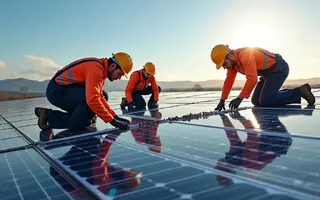
Installed on commercial building rooftops, this is the most common option.
Advantages
- Uses unused roof space
- Lower installation cost
- Easy integration
Best For
Retail stores, offices, and small warehouses.
2. Ground-Mounted Solar Systems
Overview
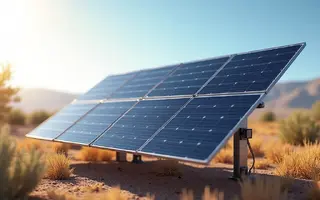
Installed on land instead of rooftops.
Advantages
- Flexible design
- Higher efficiency potential
Disadvantages
- Requires available land
- Higher upfront cost
Best For
Businesses with extra land.
3. Solar Carports
Overview
Solar panels installed over parking areas.
Advantages
- Dual use (shade + energy)
- Enhances property value
Best For
Retail centers and customer-facing businesses.
4. Solar + Battery Storage Systems
Overview
Combines solar panels with battery storage.
Benefits
- Store excess energy
- Use power at night
- Reduce reliance on the grid
Best For
Businesses with high evening energy usage.
Cost Breakdown for Small Business Solar (2026)
Average Cost
- $2.00 – $3.50 per watt
- $20,000 – $150,000 depending on size
Example
- 20 kW system: $40,000 – $70,000
- After incentives: $28,000 – $50,000
Factors Affecting Cost
- System size
- Location
- Equipment quality
- Installation complexity
High CPC Section: ROI and Savings for Small Businesses
Return on Investment
- 10% – 25% annual ROI
Payback Period
- 3 – 6 years
Lifetime Savings
- $50,000 – $500,000+
Key Drivers of Savings
- Energy usage
- Electricity rates
- Incentives and tax credits
- System efficiency
Solar Incentives for Small Businesses
USA
- Federal Investment Tax Credit (ITC) – up to 30%
- Accelerated depreciation (MACRS)
- State rebates
UK
- Smart Export Guarantee
Australia
- STC rebates
Canada
- Federal and provincial incentives
Why Incentives Matter
They can reduce total system cost by up to 50%, making solar highly profitable.
Solar Financing Options for Small Businesses
1. Cash Purchase
- Highest long-term savings
- No interest
2. Solar Loans
- Spread cost over time
- Maintain ownership
3. Power Purchase Agreement (PPA)
- No upfront cost
- Pay only for electricity used
4. Solar Lease
- Fixed monthly payments
- Lower upfront investment
How to Choose the Best Solar Solution
1. Analyze Your Energy Usage
Review your electricity bills to understand consumption patterns.
2. Choose the Right System Size
Avoid over- or under-sizing your system.
3. Evaluate Your Property
- Roof condition
- Available space
- Sun exposure
4. Select High-Efficiency Panels
Higher efficiency leads to better long-term savings.
5. Work With Experienced Installers
Ensure proper design and installation.
Installation Process for Small Business Solar
Steps
- Energy audit
- System design
- Permits and approvals
- Installation
- System activation
Timeline
- 1–3 months for most small business systems
Common Mistakes to Avoid
- Ignoring incentives
- Choosing based on price only
- Not comparing multiple quotes
- Poor system sizing
- Skipping battery evaluation
Expert Tips to Maximize Solar Savings
- Use energy during daylight hours
- Combine incentives and financing
- Monitor system performance
- Plan for future expansion
Real Example: Small Business Solar Savings
Scenario
- Monthly electricity bill: $1,500
- Solar system cost: $50,000
- Incentives: $15,000
Results
- Net cost: $35,000
- Annual savings: $12,000
- Payback period: ~3 years
- 20-year savings: $240,000
FAQ: Best Solar Solutions for Small Businesses
Is solar worth it for small businesses?
Yes, it offers strong ROI and long-term savings.
How much does a small business solar system cost?
Typically between $20,000 and $150,000.
What is the best system size?
Depends on your energy usage, usually 10–50 kW.
Can I install solar with no upfront cost?
Yes, through PPAs or leases.
How long do solar systems last?
25–30 years or more.
Do solar panels require maintenance?
Minimal maintenance, mainly cleaning and monitoring.
Are there incentives for small businesses?
Yes, including tax credits and rebates.
Conclusion
Finding the best solar solutions for small businesses is one of the smartest financial decisions you can make in 2026.
With the right system, financing, and strategy, small businesses can dramatically reduce energy costs, improve profitability, and achieve long-term financial stability.
Solar energy is no longer a luxury—it’s a competitive advantage.