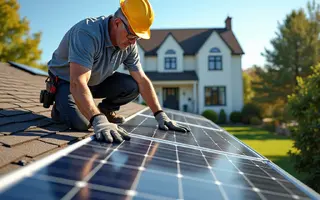
Best Solar Panels for Home in 2026: Top High-Efficiency Systems Compared
- Introduction
- Why Solar Panels Are a Smart Investment in 2026
- Key Benefits of Residential Solar Systems
- Types of Solar Panels Explained
- Monocrystalline Solar Panels
- Polycrystalline Solar Panels
- Thin-Film Solar Panels
- Best Solar Panels for Home 2026 (Top Picks)
- 1. SunPower Maxeon 7
- 2. REC Alpha Pure-R
- 3. Panasonic EverVolt HK
- 4. Q CELLS Q.TRON
- 5. Canadian Solar HiHero
- Cost Breakdown: Solar Panel Prices in 2026
- Average Cost by Country
- What Affects Solar Installation Cost
- ROI and Savings: How Much Can You Save?
- Average Payback Period
- Lifetime Savings
- Additional Savings Opportunities
- How to Choose the Best Solar Panels for Your Home
- 1. Efficiency Rating
- 2. Warranty Coverage
- 3. Climate Compatibility
- 4. Budget vs Long-Term Value
- 5. Installer Quality
- Solar Installation Process
- Expert Tips to Maximize Solar Efficiency
- FAQ: Best Solar Panels for Home 2026
- What are the best solar panels for home 2026?
- How many solar panels does a home need?
- Are solar panels worth it in 2026?
- How long do solar panels last?
- Do solar panels work in cloudy weather?
- Can I go off-grid with solar panels?
- What incentives are available for solar?
- Conclusion
Introduction
Energy prices are rising fast across the USA, UK, Australia, and Canada. That’s why more homeowners are searching for the best solar panels for home 2026 to cut costs and gain energy independence.
But choosing the right system isn’t easy. There are many brands, technologies, and price ranges. A wrong choice can reduce your savings for years.
This guide simplifies everything. You’ll learn about the top solar panels, real costs, expected savings, and how to choose the best system for your home. By the end, you’ll be ready to make a smart, high-ROI investment.
Why Solar Panels Are a Smart Investment in 2026
Solar energy is no longer just eco-friendly. It is now one of the best financial upgrades for homeowners.
Key Benefits of Residential Solar Systems
- Reduce electricity bills by 50–100 percent
- Protect against rising utility rates
- Increase property value
- Access government incentives and tax credits
- Lower carbon footprint
According to industry data, homeowners in Tier 1 countries can save between $20,000 and $50,000 over the lifetime of a solar system.
Types of Solar Panels Explained
Understanding panel types helps you choose the right system.
Monocrystalline Solar Panels
- Efficiency: 20–23 percent
- Lifespan: 25–30 years
- Best for limited roof space
These are the most efficient and widely recommended panels for home use.
Polycrystalline Solar Panels
- Efficiency: 15–18 percent
- Lower cost
- Slightly shorter lifespan
Ideal if you want a more affordable upfront investment.
Thin-Film Solar Panels
- Efficiency: 10–13 percent
- Lightweight and flexible
Not commonly used for residential rooftops but useful for special cases.
Best Solar Panels for Home 2026 (Top Picks)
Here are the top high-efficiency solar panels dominating the market in 2026.
1. SunPower Maxeon 7
- Efficiency up to 23 percent
- Industry-leading 40-year warranty
- Premium performance
Best for homeowners who want maximum long-term savings.
2. REC Alpha Pure-R
- Efficiency around 22.5 percent
- Excellent heat performance
- Strong durability
Great choice for warmer regions like Australia and southern US.
3. Panasonic EverVolt HK
- Efficiency around 22 percent
- Performs well in low-light conditions
- High reliability
Ideal for cloudy climates like the UK and Canada.
4. Q CELLS Q.TRON
- Efficiency around 21 percent
- Affordable and reliable
- Strong value for money
Best for balancing cost and performance.
5. Canadian Solar HiHero
- Efficiency around 21.4 percent
- Competitive pricing
- Good cold-weather performance
A solid option for budget-conscious homeowners.
Cost Breakdown: Solar Panel Prices in 2026
The cost of solar panels depends on system size, location, and incentives.
Average Cost by Country
- USA: $15,000 – $25,000 (before incentives)
- UK: £5,000 – £10,000
- Australia: AUD 5,000 – 9,000
- Canada: CAD 15,000 – 30,000
After incentives, costs can drop by 20–40 percent.
What Affects Solar Installation Cost
- System size (kW capacity)
- Roof condition and angle
- Panel brand and efficiency
- Installation complexity
- Labor costs
Getting multiple quotes is the best way to find the most competitive deal.
ROI and Savings: How Much Can You Save?
Solar panels offer one of the best returns among home upgrades.
Average Payback Period
- USA: 6–10 years
- UK: 7–12 years
- Australia: 3–6 years
- Canada: 8–12 years
Lifetime Savings
- $20,000 to $50,000+ over 25 years
Additional Savings Opportunities
- Net metering programs
- Battery storage optimization
- Smart energy usage
Solar becomes even more valuable as electricity prices continue to rise.
How to Choose the Best Solar Panels for Your Home
Choosing the right solar system depends on several key factors.
1. Efficiency Rating
Higher efficiency means more power from less space.
2. Warranty Coverage
Look for at least 25 years. Premium brands offer up to 40 years.
3. Climate Compatibility
- Hot climates: choose panels with low temperature loss
- Cloudy regions: prioritize low-light performance
4. Budget vs Long-Term Value
- Premium systems cost more but deliver higher savings
- Budget systems offer faster payback but lower efficiency
5. Installer Quality
A skilled installer is critical. Poor installation can reduce system performance.
Solar Installation Process
Here’s what to expect when installing a solar system.
- Site inspection and consultation
- Custom system design
- Permits and approvals
- Installation (usually 1–3 days)
- Inspection and grid connection
Choosing a certified installer ensures safety and warranty protection.
Expert Tips to Maximize Solar Efficiency
- Install a solar battery for energy storage
- Use appliances during daylight hours
- Keep panels clean and free of debris
- Monitor performance using solar apps
These small actions can significantly improve your savings.
FAQ: Best Solar Panels for Home 2026
What are the best solar panels for home 2026?
Top options include SunPower Maxeon 7, REC Alpha Pure-R, and Panasonic EverVolt due to high efficiency and durability.
How many solar panels does a home need?
Most homes require 15 to 25 panels depending on energy usage and panel efficiency.
Are solar panels worth it in 2026?
Yes. With rising electricity costs, solar provides strong ROI and long-term savings.
How long do solar panels last?
Most systems last 25 to 30 years, with some premium models lasting longer.
Do solar panels work in cloudy weather?
Yes, but efficiency is lower. High-quality panels perform better in low-light conditions.
Can I go off-grid with solar panels?
Yes, but you will need a battery system, which increases upfront cost.
What incentives are available for solar?
- USA: Federal tax credit (ITC)
- UK: Smart Export Guarantee
- Australia: STC rebates
- Canada: Provincial programs
Conclusion
The best solar panels for home 2026 combine high efficiency, strong warranties, and long-term savings.
Premium panels like SunPower offer maximum performance, while brands like Q CELLS and Canadian Solar provide excellent value.
No matter your budget, switching to solar is a smart financial move that reduces energy costs and increases home value.